
Costa Rica :: Pura Vida
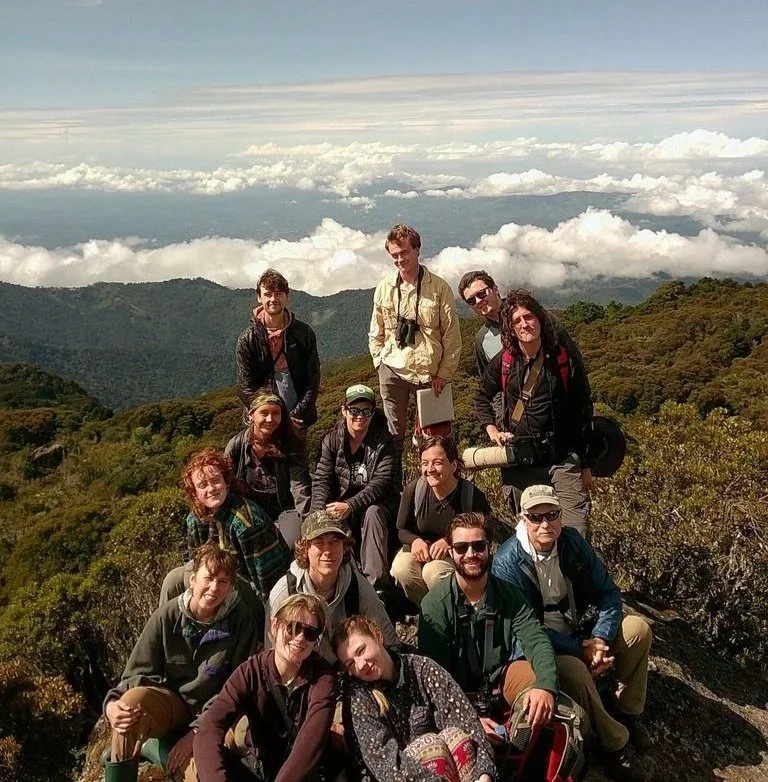
Costa Rica class on the páramo near Cerro de la Muerte (photo by Georgia Lattig ’24)
College of the Atlantic students have been traveling to Costa Rica for the past 15 years to learn firsthand about the ecology and conservation of neotropical forests. The first iteration of this immersive experience—designed and developed by COA professor Steve Ressel—involved a two-week field experience associated with a single course offering, which he co-taught with COA W.H. Drury Professor of Ecology/Natural History John Anderson. In 2019, Ressel developed it into a six-week, three-credit “monster course” in order to provide students with a more comprehensive experience that used both art and science to study the central tenets of tropical biology.
This year, the course was team-taught by Ressel and COA George B. Dorr Museum of Natural History Director Carrie Graham, with support from Costa Rican guide Sergio Padilla Alvarez. The intensive, field-based course examined the ecology and biotic diversity found at several sites within Costa Rica and the implications of this diversity on concepts of conservation biology.
Costa Rica is the ideal setting for a monster course (one “monster” class worth three COA credits) in neotropical ecology. Despite its small size (comparable to the area of West Virginia), Costa Rica contains about 6% of the world’s biodiversity, including at least 300,000 species of insects—approximately one-third of all described insect species. This incredible abundance of species results in part from its unique geography: Within Costa Rica’s small area, the influence of the Caribbean Sea, the Pacific Ocean, and the central mountain ranges create a surprising array of very different bioclimate zones with different patterns of precipitation and temperature.
Costa Rica is also world-renowned for an infrastructure that supports both ecotourism and scientific study. Approximately 25% of the country is protected land. At the same time, Costa Rica also faces many of the same threats to conservation (e.g., deforestation, monocultures of food crops, and poaching) seen in other Central American countries. All of these factors present an excellent setting for our students to experience and reflect upon the diversity, excitement, mystery, and challenges of tropical life for both human and non-human inhabitants.
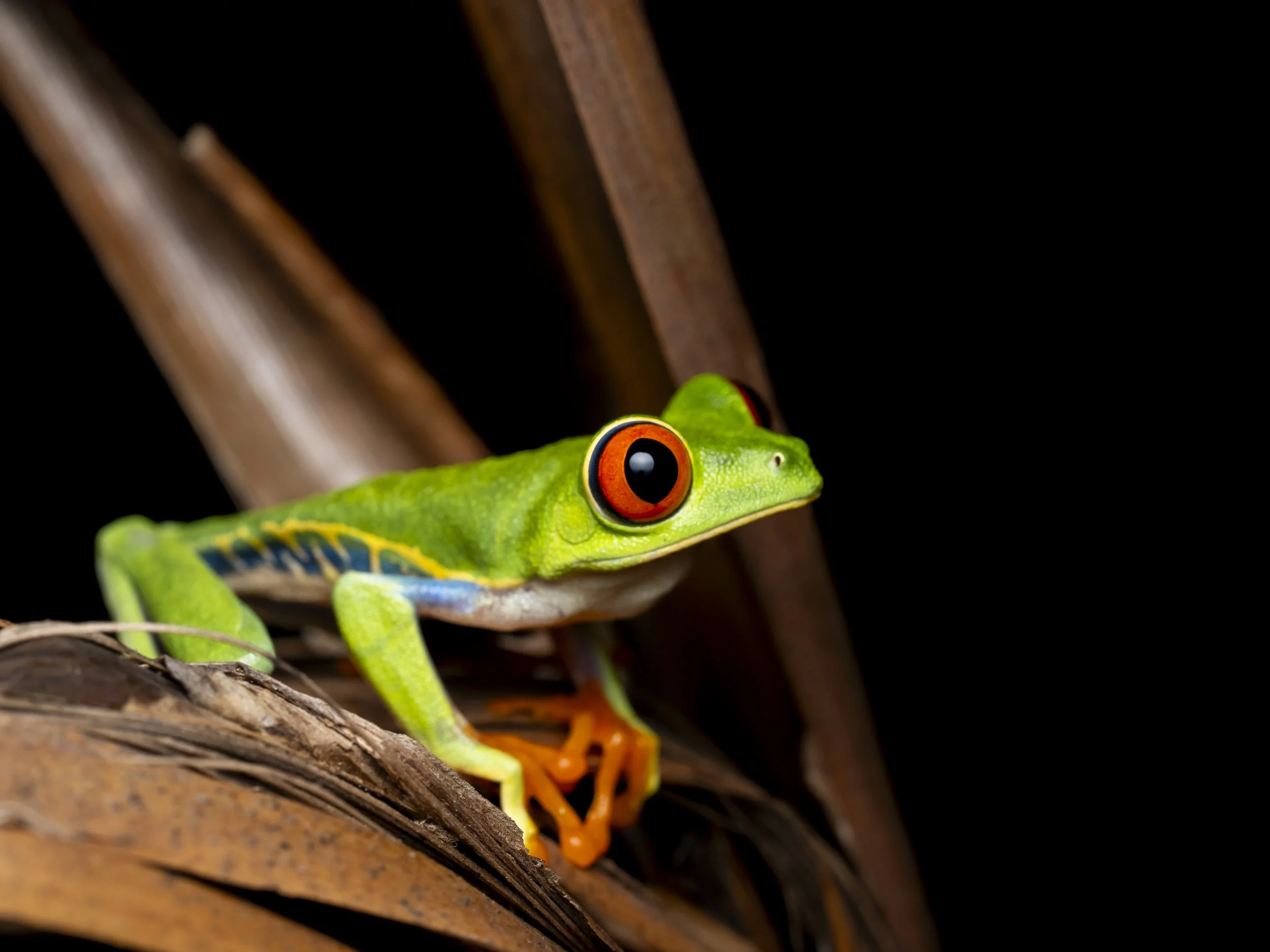
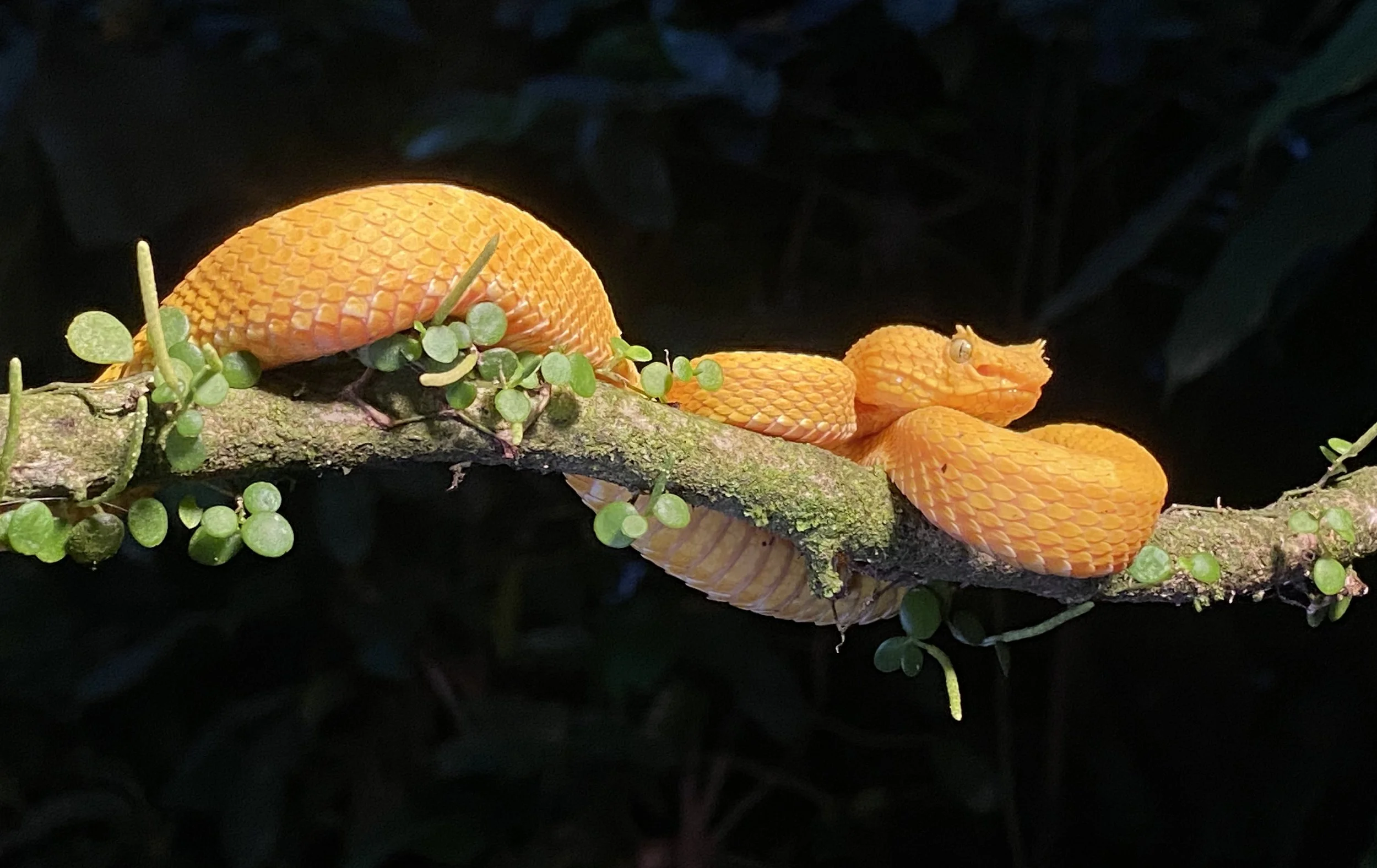
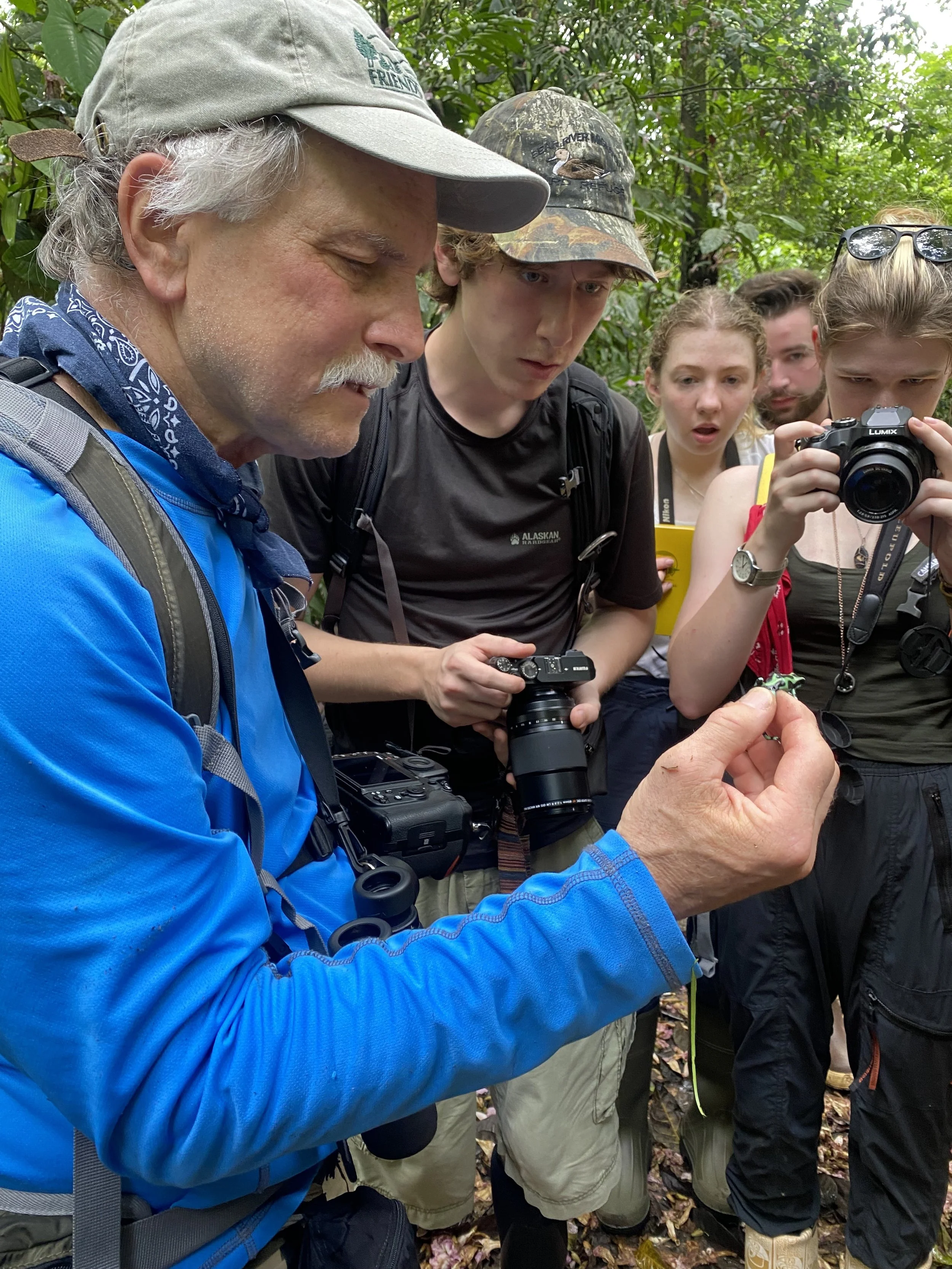
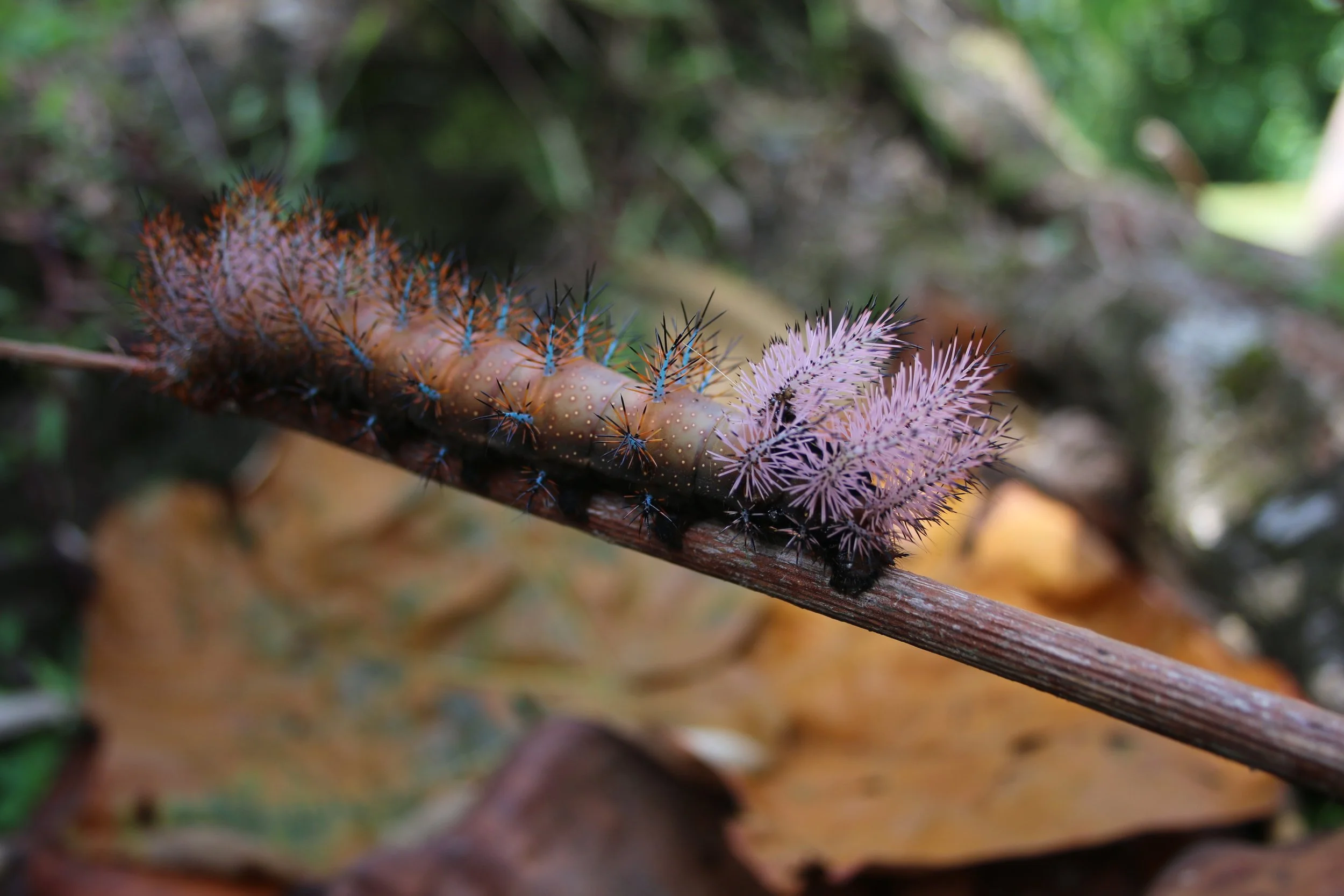
In the tropics there is a saying that our students quickly discover holds true as they venture into the field: “Common species are rare, and rare species are common.” Iconic species such as sloths, toucans, and orchids can thus be surprisingly elusive to see, masked by a cloak of monotonous green. Herein lies the value of incorporating the practice of natural history, where students employ persistence, patience, and careful observation while in the field. Only then will the biota of tropical forests reveal itself to students, creating a constant feeling of excitement and respect for what is around them; prerequisites for acquiring a greater understanding of tropical ecology.
“We followed leafcutter ant highways through the Caribbean lowlands at La Suerte, sketched waterfalls in the cloud forests protected by the Children’s Eternal Rainforest in Pocosol, and talked with land stewards about conservation, resilience, and restoration at Tapir Valley. We hiked through torrential rain in the Nicoya Peninsula alongside bellowing howler monkeys, admired glass frogs perched beside waterfalls on the Osa Peninsula, and snorkeled with parrotfish and sea turtles at Caño Island.”
Each of the six field stations the course travels to offer a different and astonishing array of wildlife encounters. It is no accident that two of these field stations are in the Osa Peninsula in southwestern Costa Rica, which National Geographic Magazine described as “the most biologically intense place on earth.”
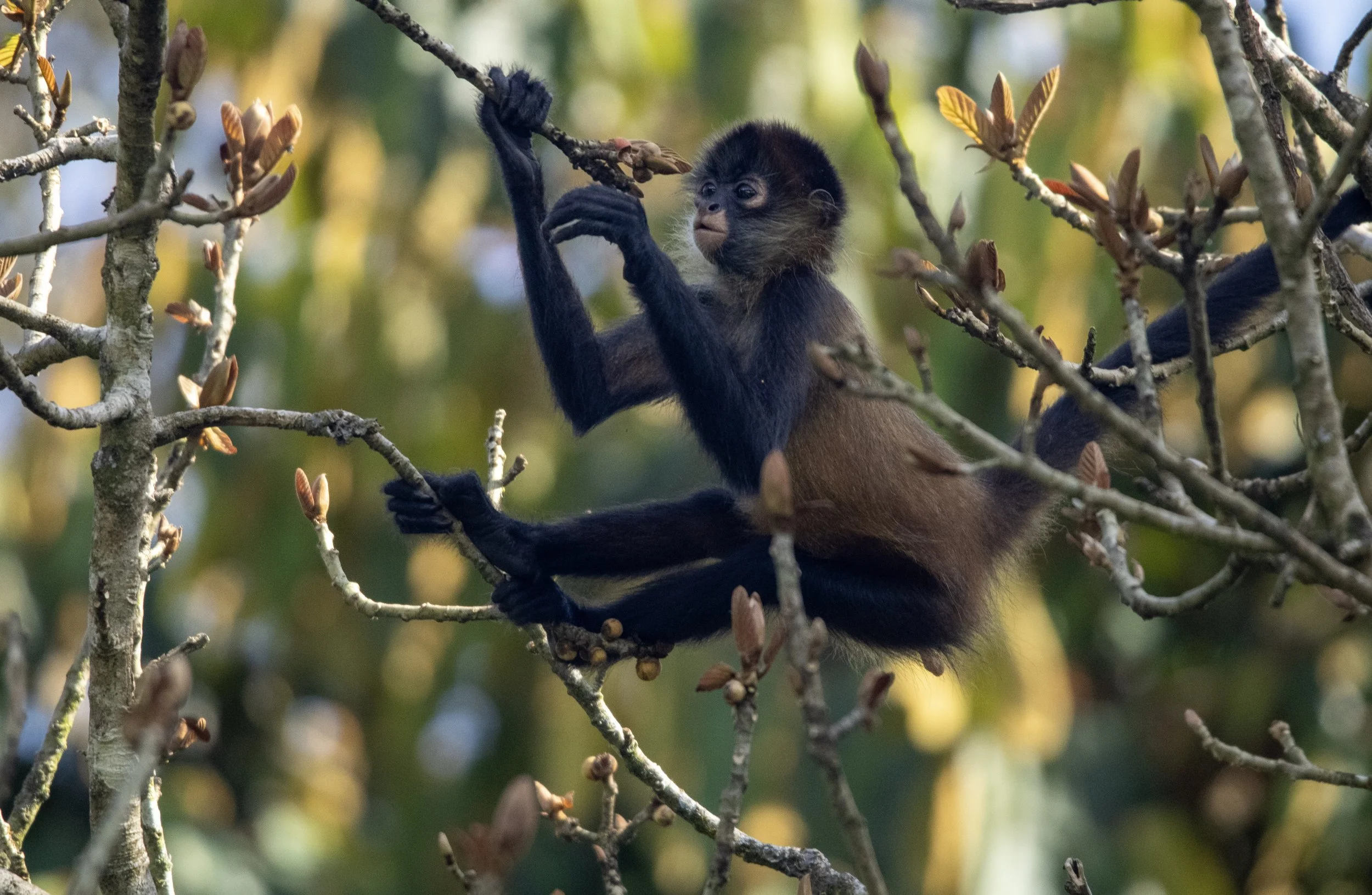
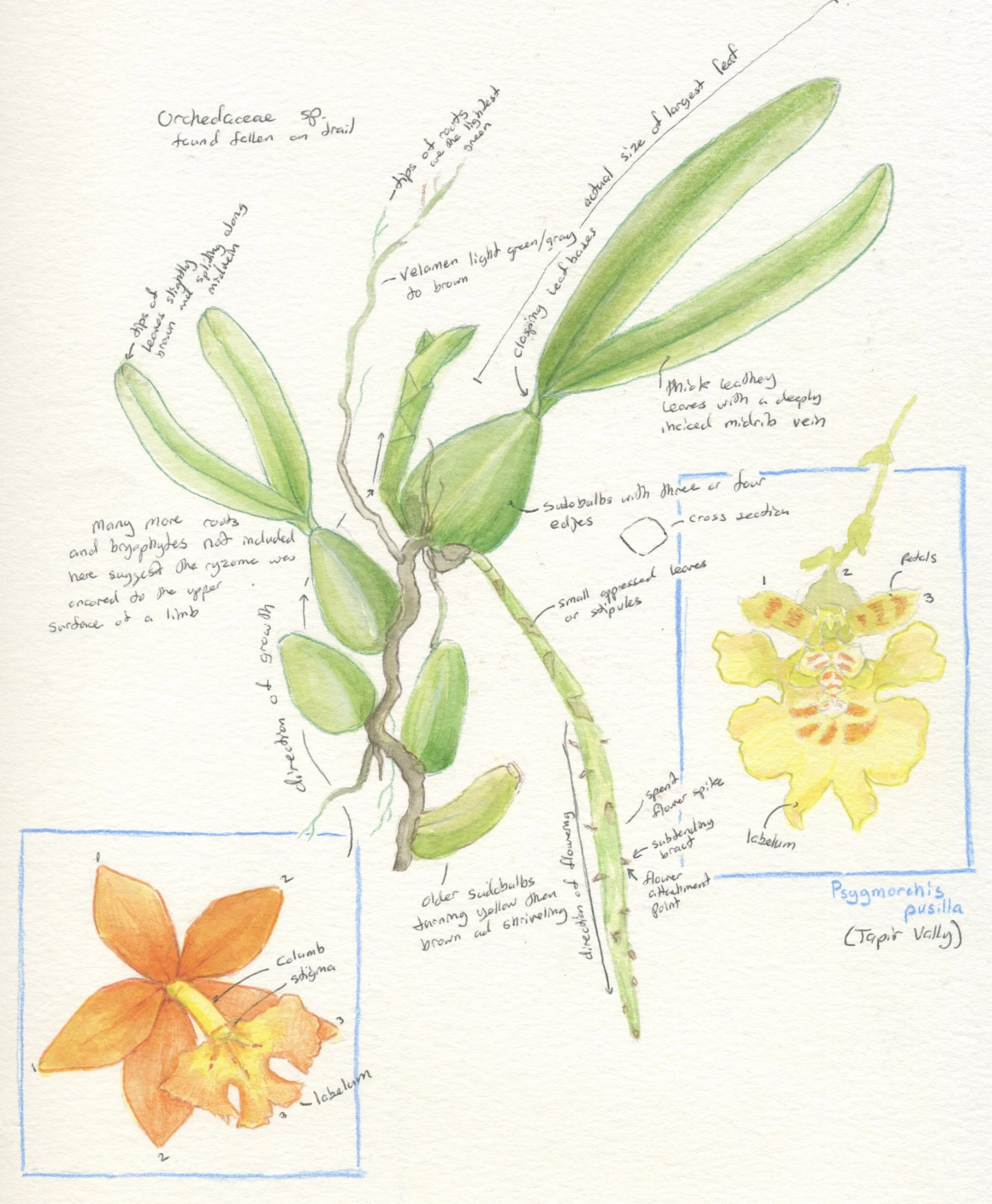
Here is an example of a single day from the first field station: After waking to the nearby calls of howler monkeys, our students enjoy an early morning encounter with the infamous fer-de-lance viper (from a safe distance, of course). This is interrupted by the sighting of mother and baby three-toed sloths (spotted by our expert guide, Sergio). After breakfast, students work on an assignment to observe and sketch the behavior of Montezuma oropendula and the ubiquitous pumilio poison-dart frog. A satisfying lunch of beans and rice is followed by a few hours of lectures and discussions in the shade of the field station. As the oppressively hot tropical afternoon cools down, students venture back out onto the trails in pairs to make more observations and develop questions that could inform their upcoming research assignments. They cross a lawn dotted with cane toads and leafcutter ant highways, and enter the forest trails to find bullet ants, python millipedes, basilisk lizards, cicadas, katydids, spider monkeys, kinkajous, trogons, toucans, mantids, stick insects, hermit hummingbirds, wandering spiders, smoky jungle frogs, and more.
Throughout the Costa Rica course, students do an incredible amount of work. They examine fundamental tenets of tropical ecology via immersive, field-based work at various field stations throughout the country, learn about the ecological importance of insects in tropical ecosystems, and practice making and recording their observations through drawing and writing in their field journals. Conservation is a common theme throughout the course, and students experience a variety of conservation practices and engage directly in community-based conservation initiatives in order to experience firsthand the challenges of preserving the livelihoods of local people along with natural systems. This interdisciplinary, human-ecological course offers a holistic way for students to know a place and its inhabitants deeply and thoroughly while growing their understanding and knowledge of ecology, art, and conservation.
“Conservation in Costa Rica should be driven by connection—in all senses of the word. When it works best, conservation links people to place, science to local knowledge, and short-term actions to long-term impacts. At its worst, it becomes fragmented: focused on profit rather than protection, offering spectacle rather than substantial change, or isolating itself from the very communities or species it claims to support.”
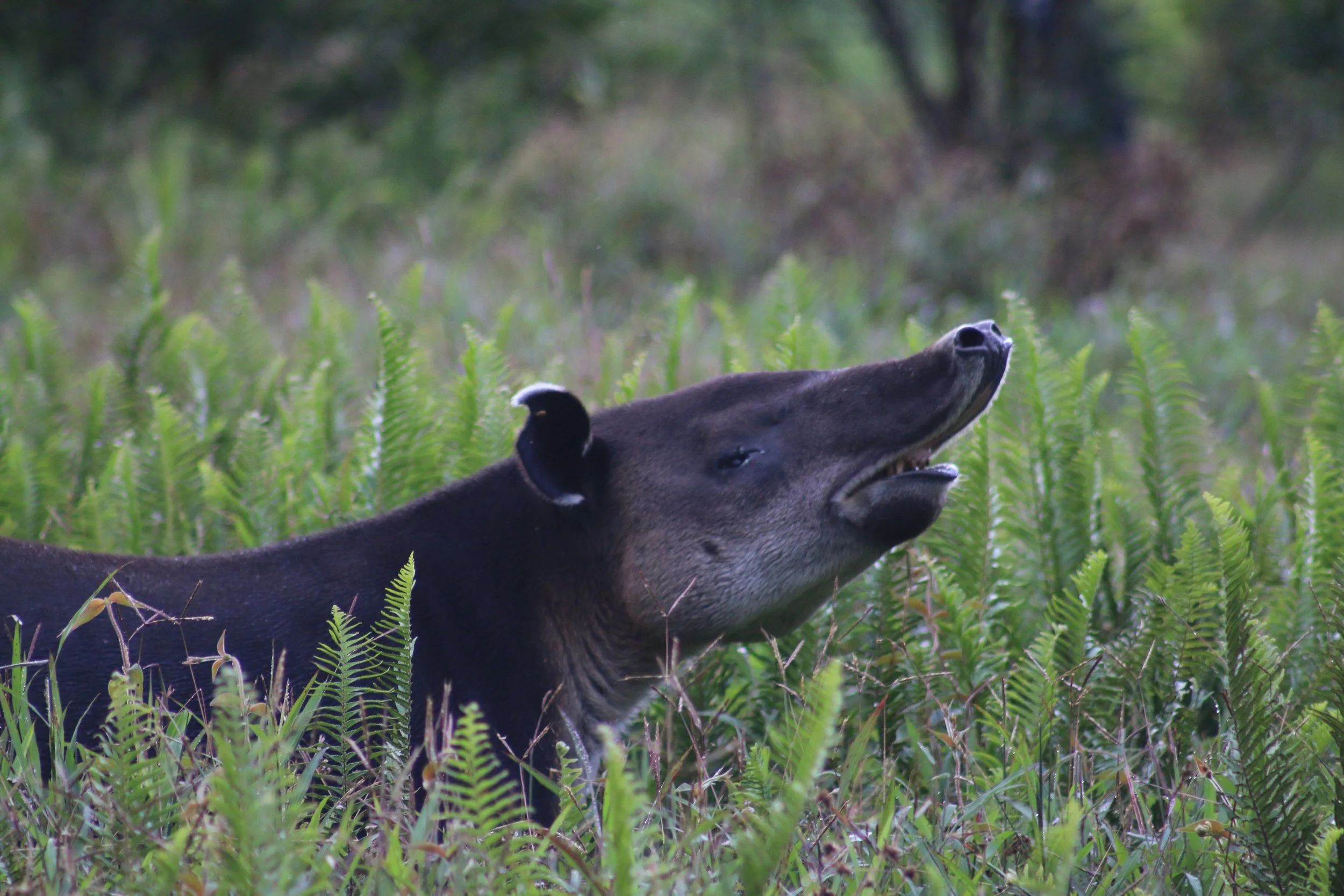
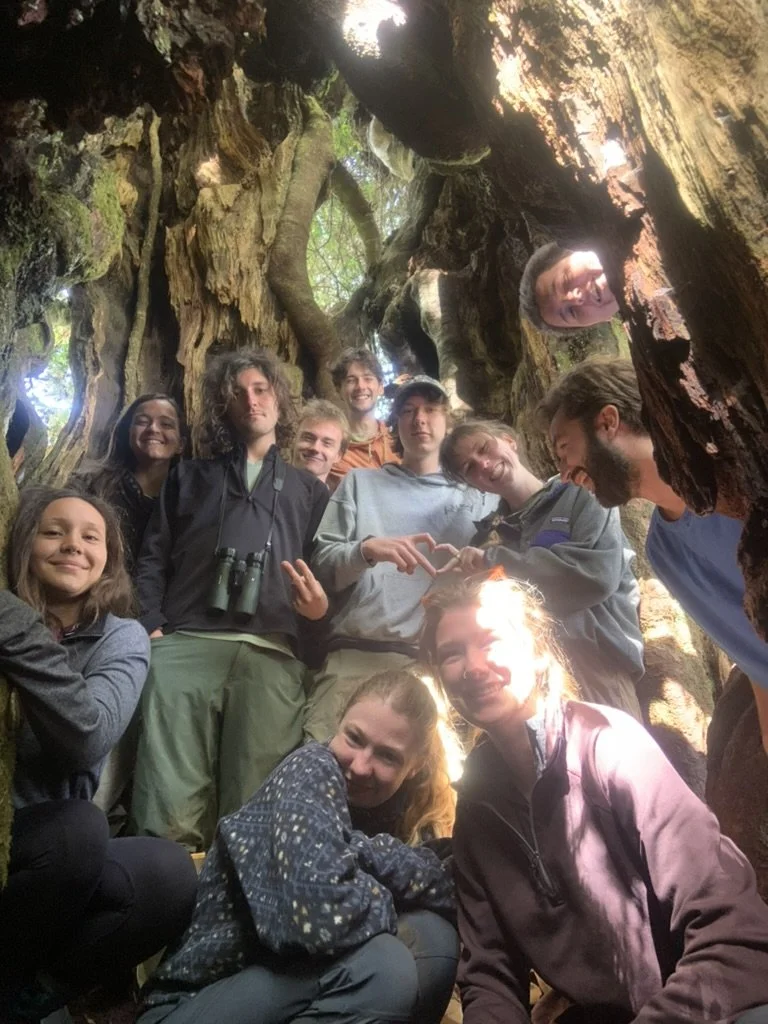
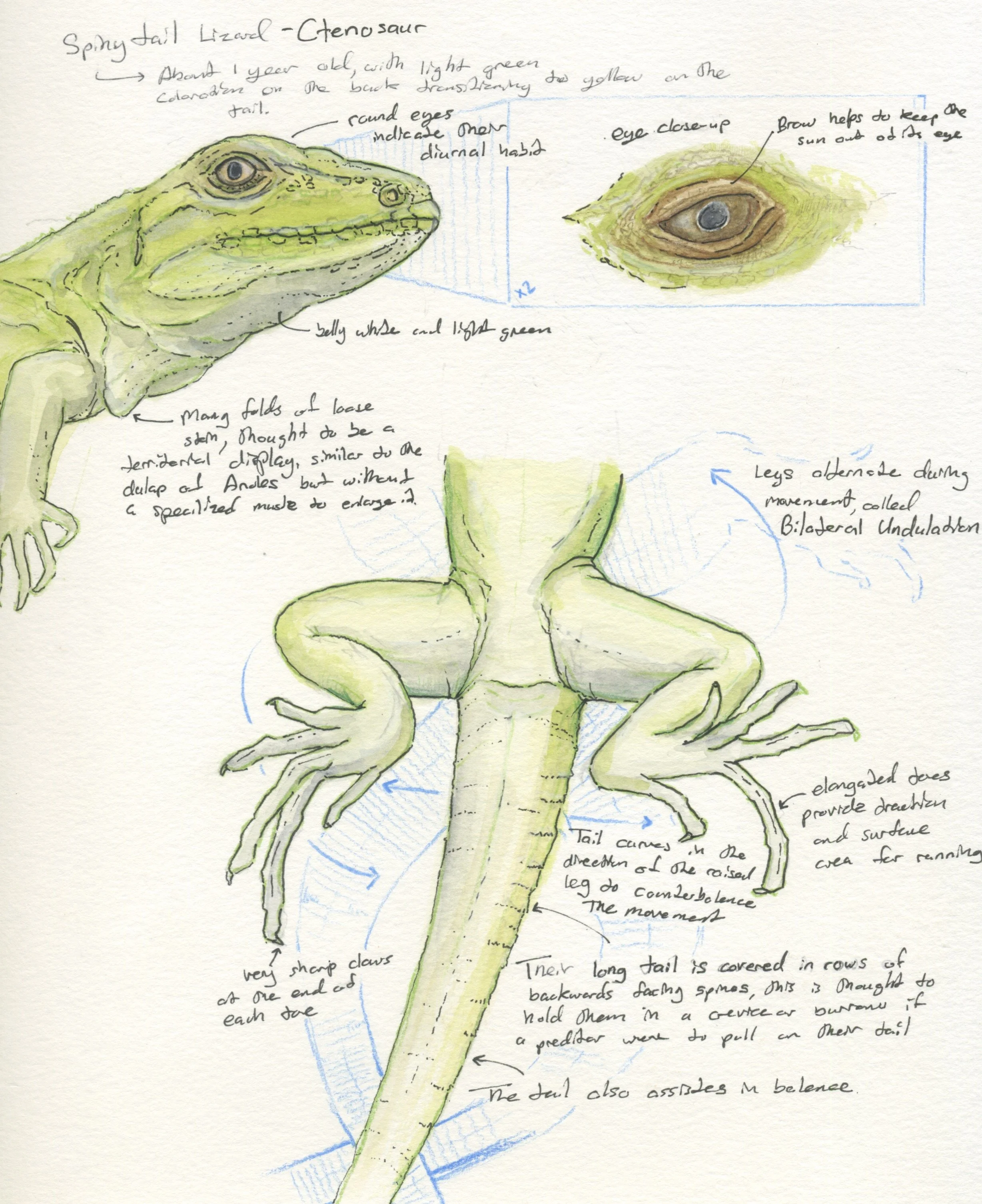
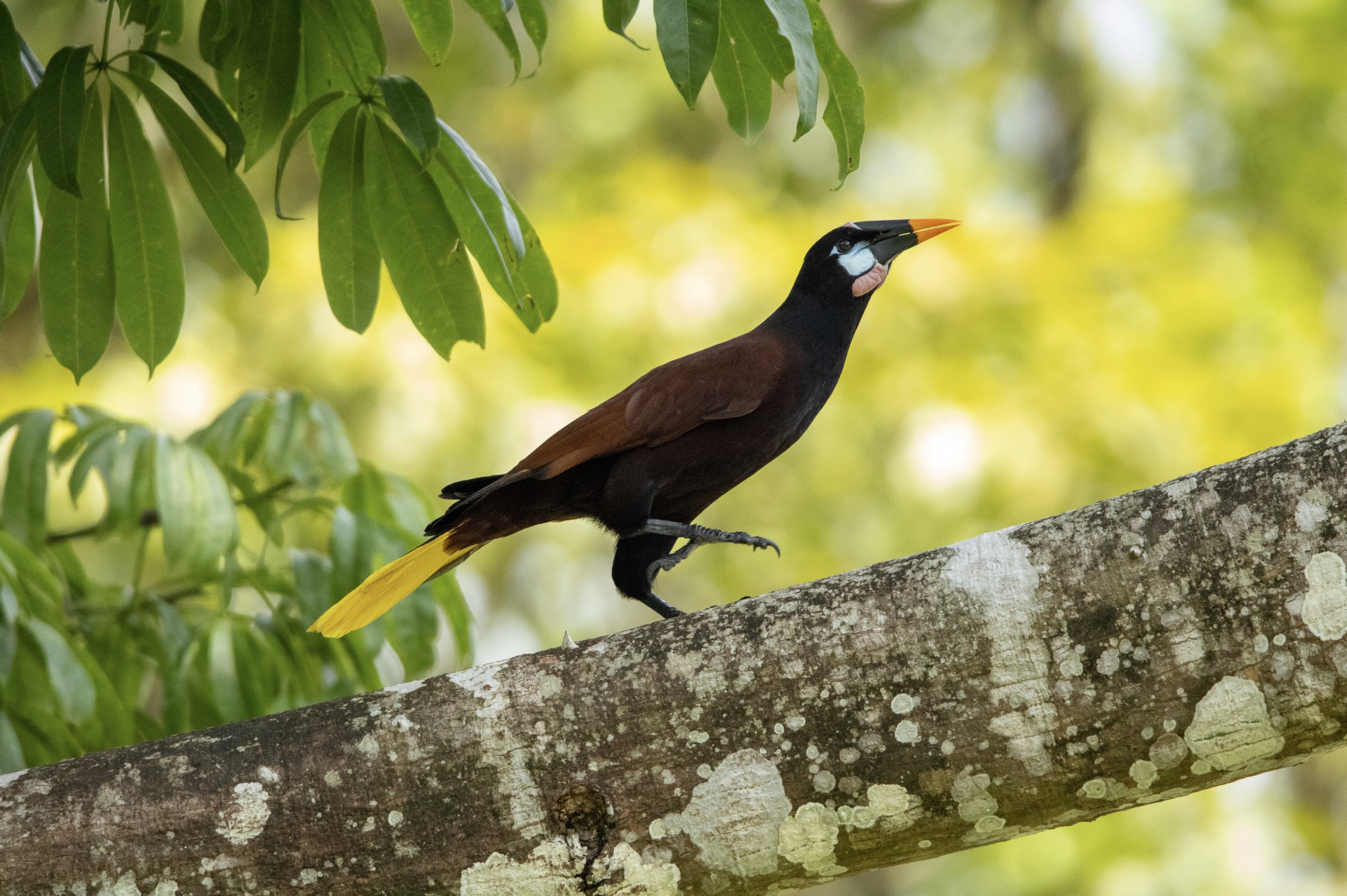
“Nobody told me how much the rainforest changes over the course of 24 hours. Emi and I spent four days in Pocosol traveling the same trail to the lagoon three times a day. In the morning, birds greet you with flashes of their rainbow plumage. Leafcutter ants follow their green river and butterflies flap lazily in the shallow breeze. By noon, everyone has settled into the heat—it’s actually the quietest time of day. By night, though, everything is alive and awake. Flashes of long-tailed mammals careening through the trees, frogs leaping away just before your foot hits the soil, things that bite and stick and scratch coming out to find dinner. My favorites were the huge freshwater crabs that hunted minnows in the shallows by moonlight. So much abundance, so much diversity, so much beauty.”
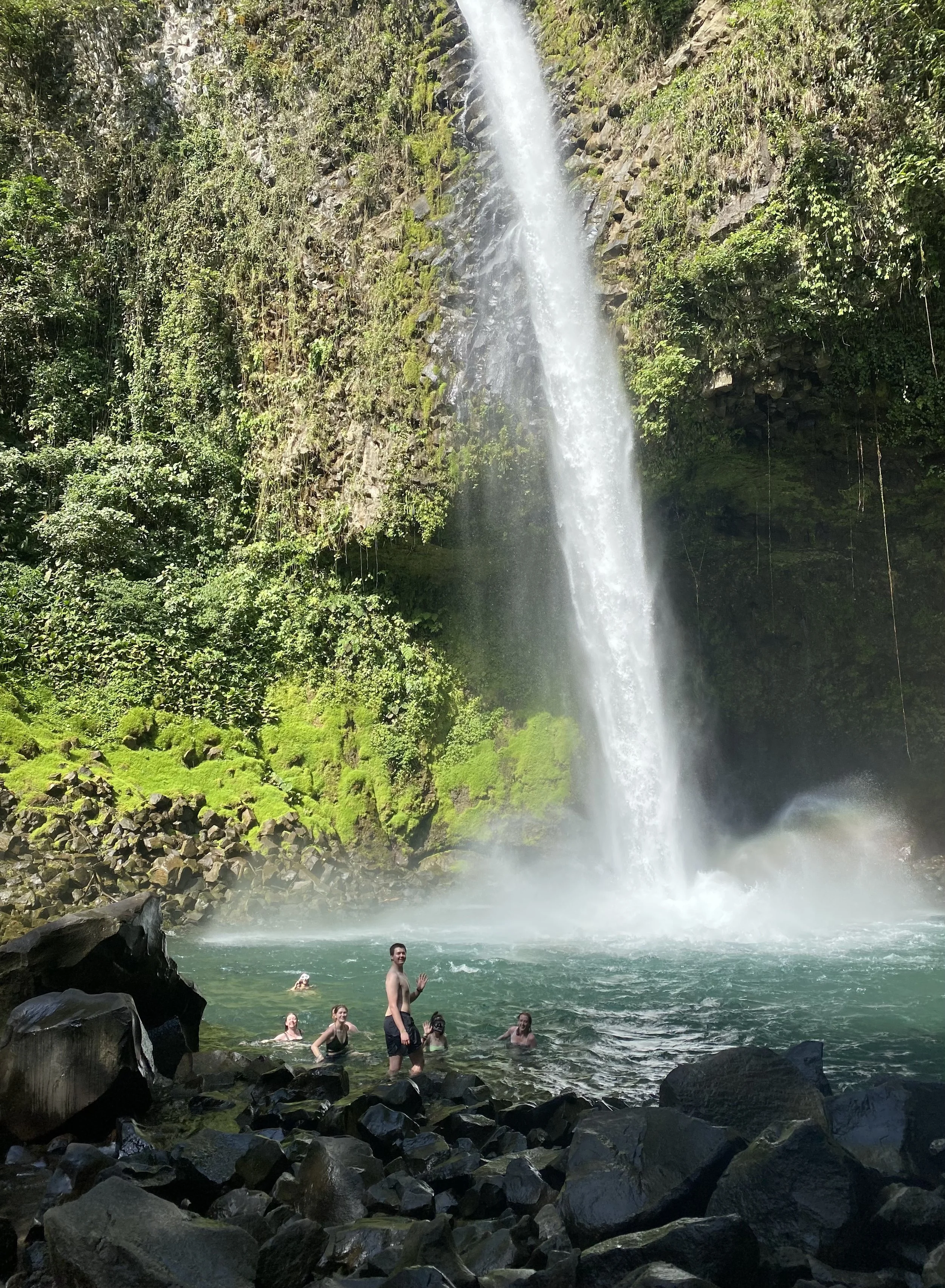
Swimming at La Fortuna Waterfall (photo by Carrie Graham)